
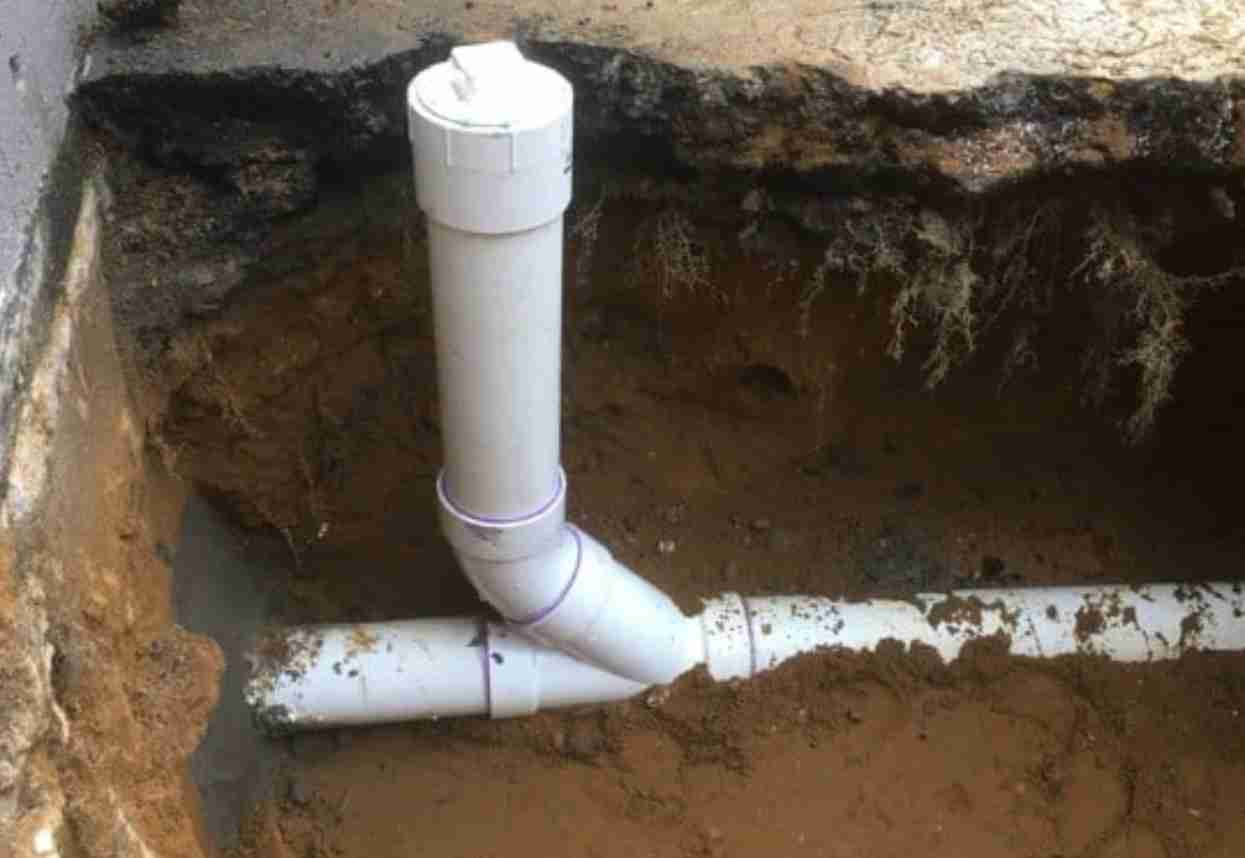
For many homeowners, especially those in rural or semi-rural areas, on-site waste systems play a critical role in day-to-day living. Unlike properties connected to municipal sewer lines, these systems manage wastewater directly on the property. While they often operate quietly in the background, understanding how they work and what they need can help prevent costly issues and ensure long-term reliability.
How On-Site Waste Systems Work
At a basic level, an on-site waste system collects wastewater from sinks, toilets, showers, and appliances and directs it into a treatment area underground. Solids settle at the bottom, lighter materials float to the top, and liquids move through to a drainage field where they are gradually filtered by soil. This natural process relies on balance. When the system is properly sized and maintained, it can function effectively for decades.
Problems tend to arise when homeowners assume the system is maintenance-free. In reality, it is a living system that depends on both mechanical components and natural biological activity to break down waste.
Why Regular Maintenance Matters
One of the most common misconceptions is that issues will be obvious before they become serious. In many cases, by the time slow drains, unpleasant odors, or pooling water appear, the system is already under stress. Regular inspections and timely emptying help prevent solids from overflowing into areas where they can cause blockages or damage.
Scheduling professional support, such as septic tank pumping services, ensures that waste levels stay within safe limits and that potential problems are identified early. This proactive approach is far more affordable than dealing with system failure or environmental contamination later on.
Everyday Habits That Affect System Health
Daily household habits have a bigger impact on on-site waste systems than many people realize. What goes down the drain directly influences how well the system performs. Flushing non-biodegradable items, pouring grease into sinks, or using excessive amounts of harsh cleaning chemicals can disrupt the natural breakdown process.
Water usage also plays a role. Overloading the system with large volumes of water in a short period can push untreated wastewater into the drainage area too quickly. Spacing out laundry loads and fixing leaking fixtures are simple steps that reduce unnecessary strain.
Recognizing Early Warning Signs
Homeowners who understand early warning signs are better equipped to act before small issues become major repairs. Gurgling sounds in pipes, slow drainage, and unusually green grass near the drainage area can all indicate underlying problems. These signs don’t always mean failure, but they do suggest that the system needs attention.
Ignoring these indicators often leads to more extensive damage, including backups inside the home or compromised soil filtration outside. Early intervention helps preserve both the system and the surrounding environment.
Environmental and Property Considerations
On-site waste systems are closely tied to the land they sit on. Soil type, slope, and groundwater levels all influence how effectively wastewater is treated. Homeowners should be cautious when making landscaping changes, building extensions, or driving heavy vehicles over system components, as these actions can compact soil or damage pipes.
Protecting the drainage area from disturbance allows it to continue filtering wastewater safely. This not only protects local water sources but also maintains property value, as a failing system can be a major concern for future buyers.
Long-Term Planning for Peace of Mind
Understanding your on-site waste system is part of responsible homeownership. Keeping records of maintenance, knowing the system’s location, and working with qualified professionals all contribute to long-term peace of mind. A well-maintained system supports daily comfort, environmental responsibility, and the overall health of the property.
By staying informed and attentive, homeowners can ensure their on-site waste systems continue to function efficiently, quietly supporting the home without unexpected disruptions.